
Root rot for the holidays
This is not a metaphor.

I fixed two root rot problems, and prevented another one from happening.
Case I: Haworthia venosa
I saved this plant in Spring this year because it showed the typical signs: stunted growth and yellowing/withering outer leaves.
Tangent: This can be deceptive, as those are also the sign of too little water. For people who tend to overwater like yours truly, make the substrate lighter with anything gritty that doesn’t have any sharp edges. Horticultural pumice, perlite, Akadama, expanded clay pellets for hydroculture are all good options as substrate additives (use as much as you need for the mix to feel fluffy is my rule. It’s not an exact science.), whereas black lava rock grit may not be the best choice. This isn’t, by any means, an exhaustive list, just a few example of widely available materials. Use what’s the easiest to come by where you are.
If you suspect anything wrong, check the roots even if this means to disturb the plant a little bit. It will save you from trouble down the road.
Back to the subject at hand, I’ve had this plant for several years, and it was making offsets galore, then growth stopped and I checked the roots. They were gone.
I did an emergency repot then, and this is the final product after today’s repot because we were heading in that direction again because I spaced on using mix with appropriate drainage. This is now solved, and here’s the beginning of the final product.
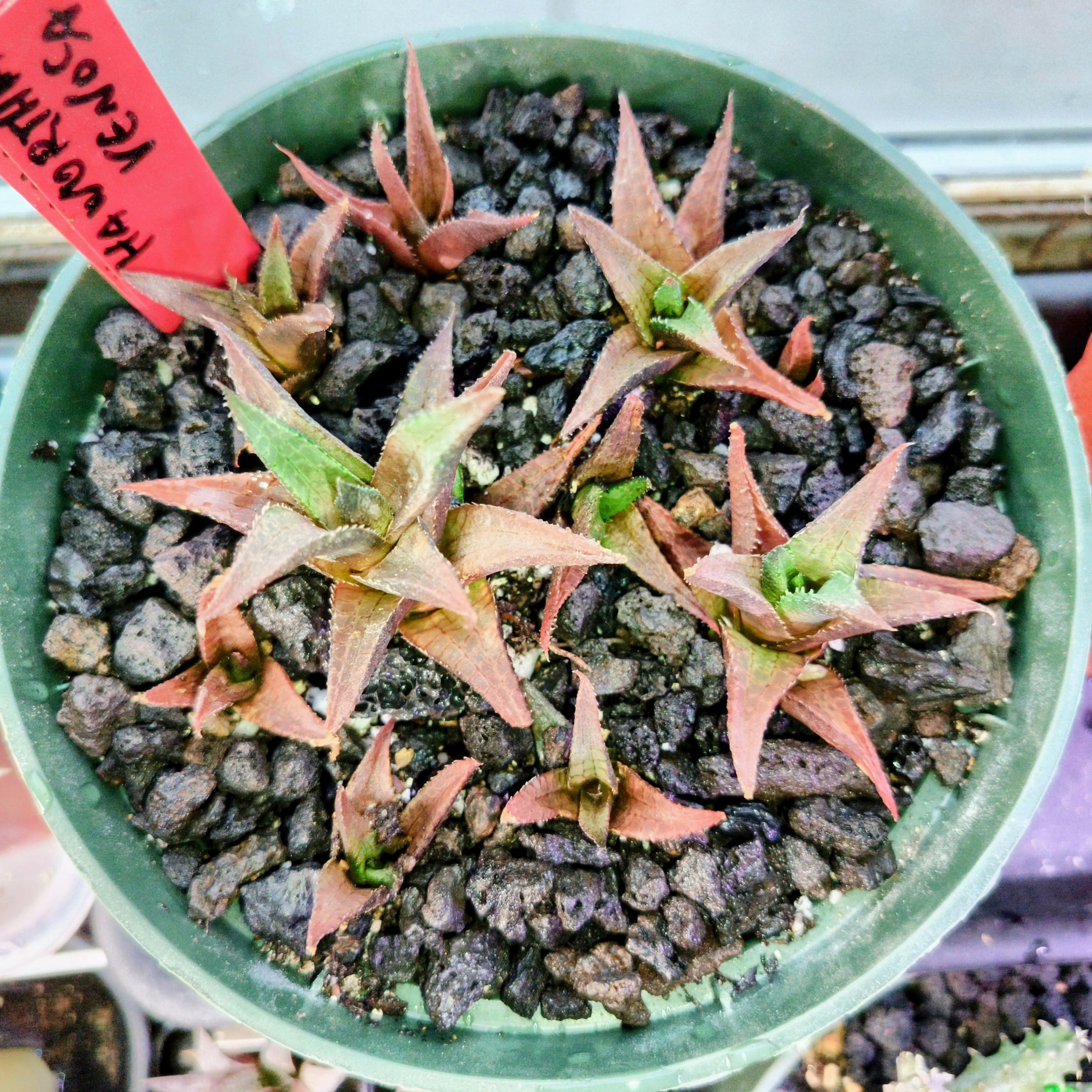
Haworthia venosa
Case II: xGasteraloë ‘Tarantula’
Same as before with one slight difference. The mother rosette had exhausted itself from making offset after offset, and on top of that, the mix had degraded and compacted to a point where it was just a wet, soggy mess after watering. As a result, our old friend root rot struck again.
The pups are all fine and have their own roots. The main rosette fell apart when I took the plant out of its pot.
This is the result after repotting.
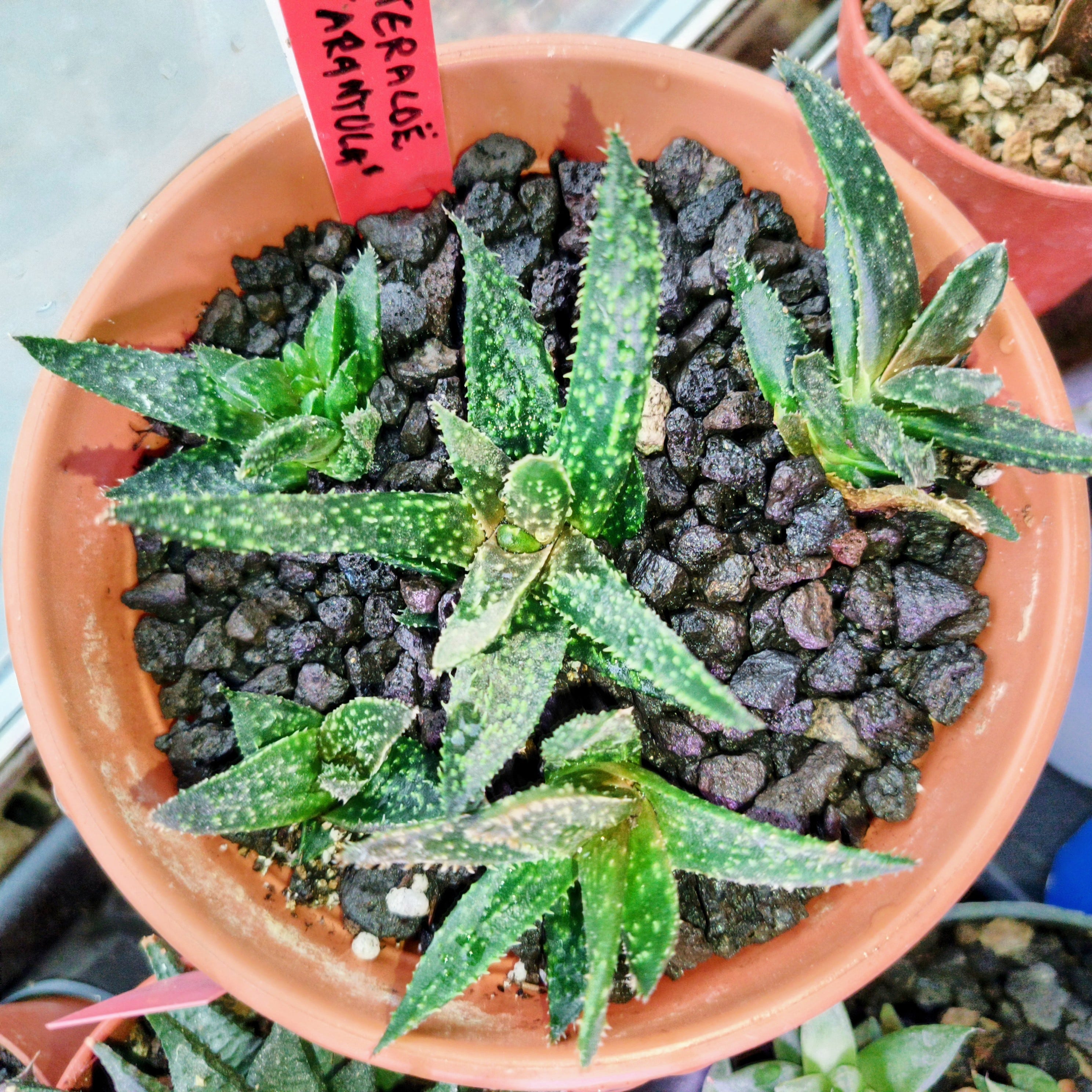
xGasteraloë ‘Tarantula’
Case III: Begonia maculata
This is the case where I prevented root rot before it had a chance to happen. The mix the plant came in seemed suitable at first but turned into a soggy brick after just very moderate watering and I repotted it into something a lot more light and open right away.
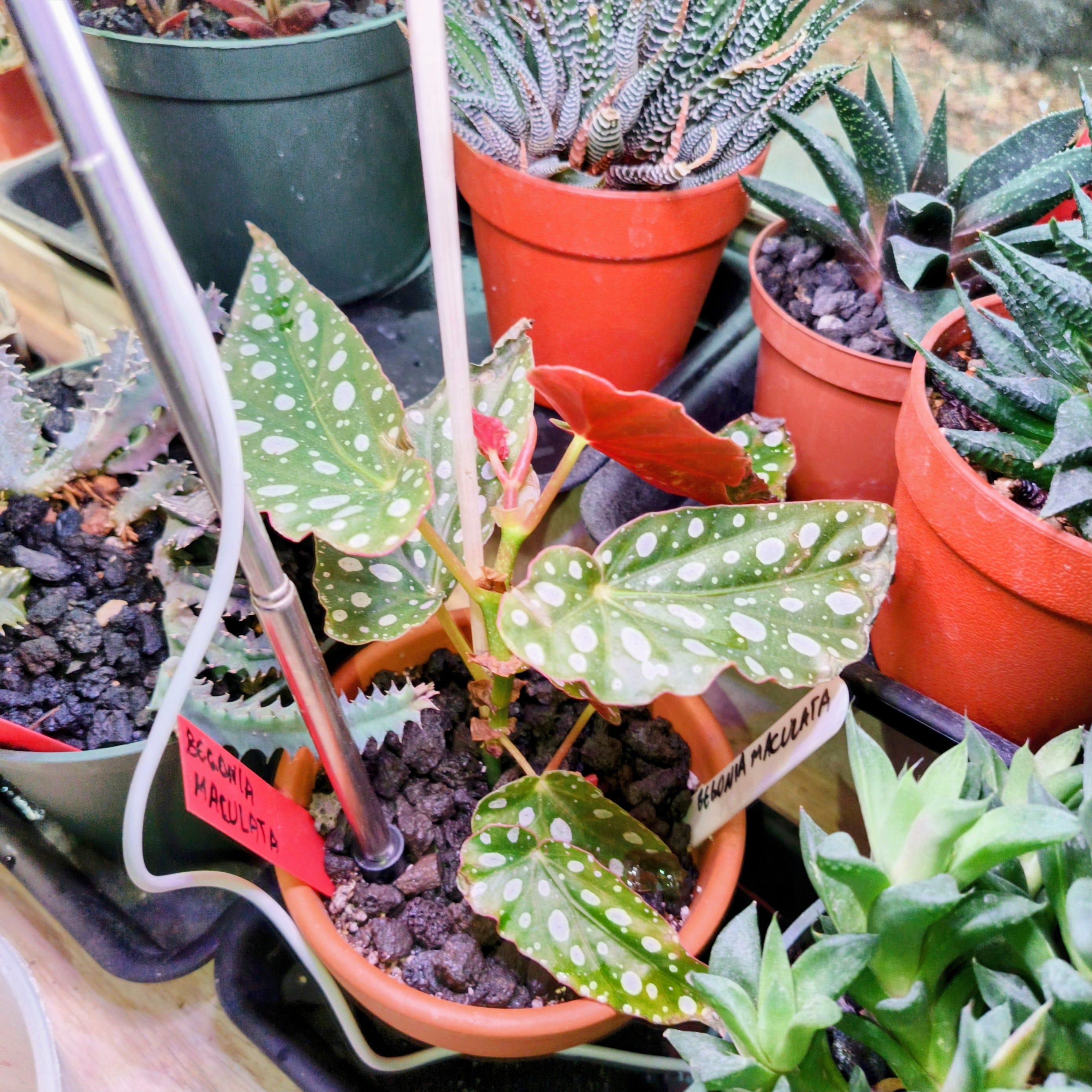
Begonia maculata
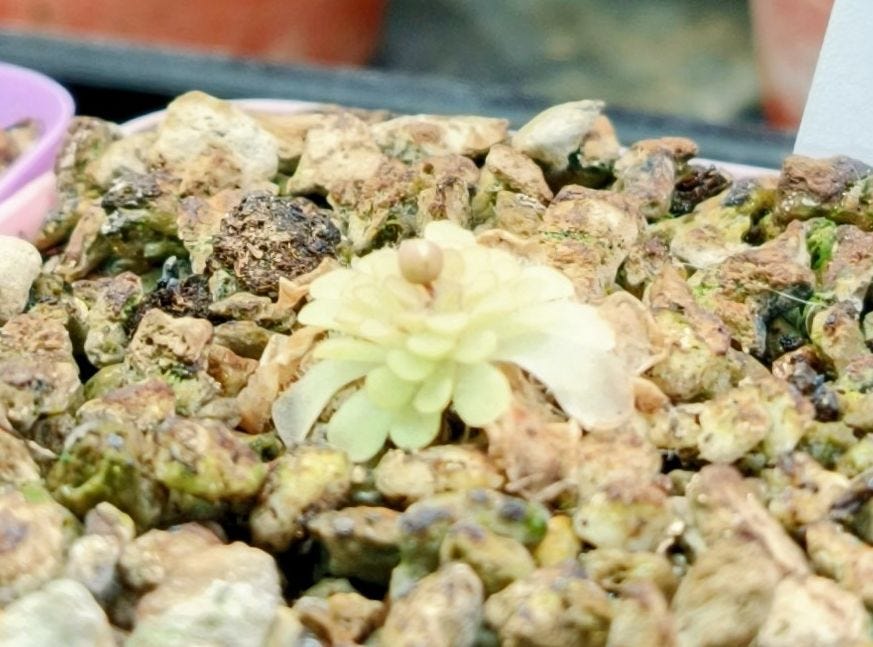
Last but not least, some Pinguicula buds. :D
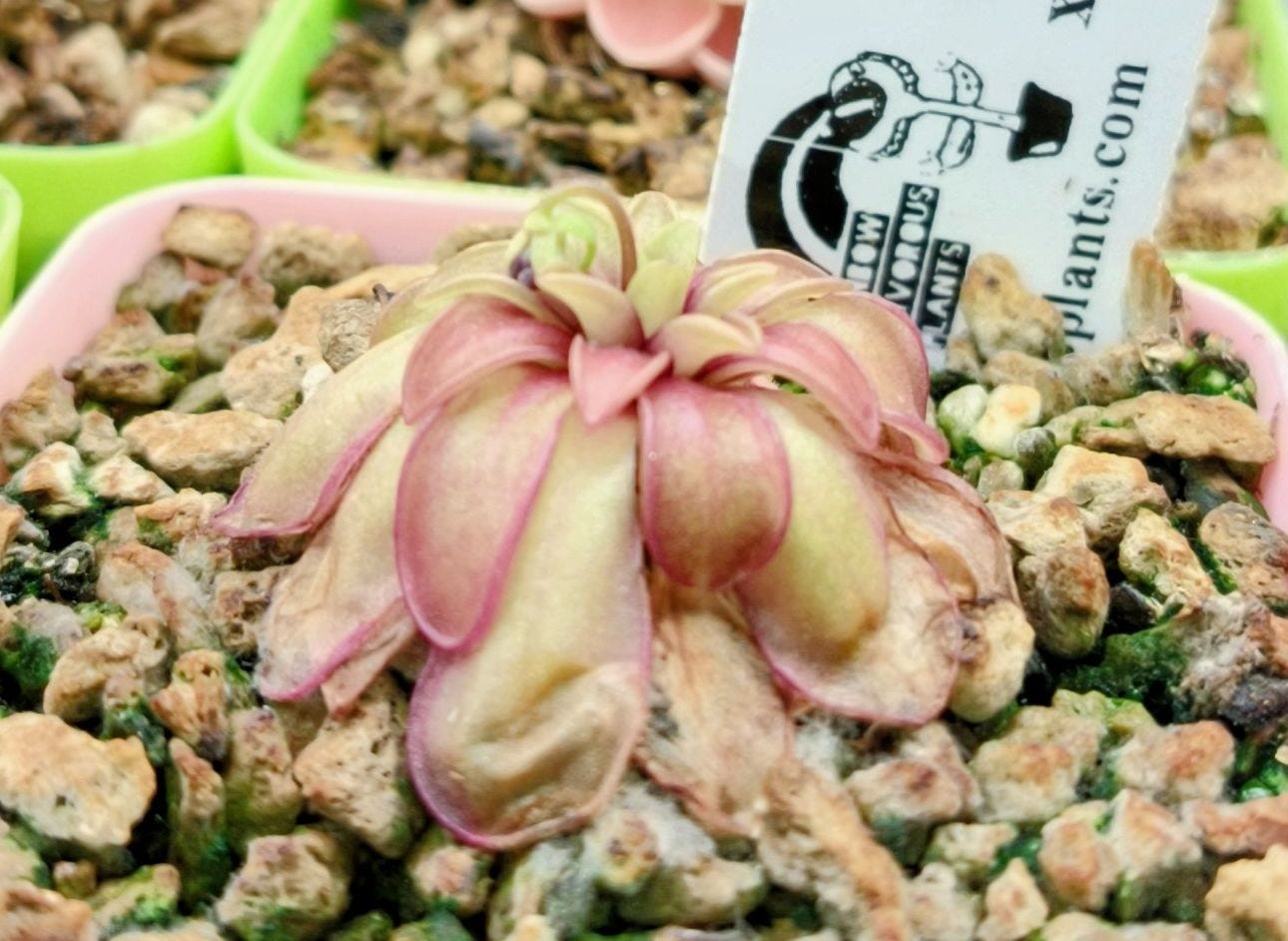
Pinguicula laueana CP2 x emarginata. The dying leaves are normal. Relax.
Root rot. The bane of my existence. I never encountered it until a few years ago. I had grown a yew on the balcony for many years and though it had never gotten tall, it still made beautiful red berries every year and was healthy. Then one year I went crazy with watering.
I managed to save the trunk and a couple of branches. It lingered for a couple of years. This year it gave up the ghost. For me it was too huge to repot.
I also had a gigantic jade tree, about 2.5 feet across and 2.5 feet high (more like a bush), really awkward to handle. It spent the summers on the balcony and the final year it finally blossomed! Then, root rot. I repotted, etc., but it didn't want to live. It was soooo beautiful. And I got it for a mere 25 bucks at a makeshift organic nursery! It still hurts.
That's a smart move, changing up the potting medium. I'll remember that for the future. Thanks!
I have an otherwise healthy spider plant that just collapses once a year.
It's OK, and perks up in about a month.
Have you ever had this?
Also, can you recommend a small indoor plant with shallow roots for a place with bright, indirect, light?